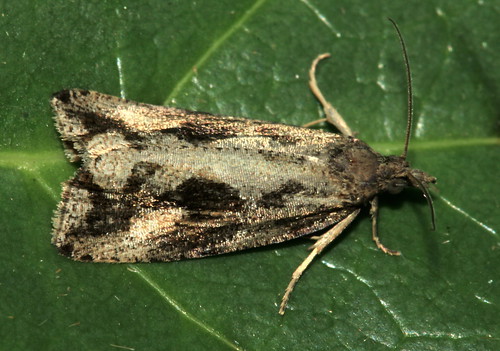
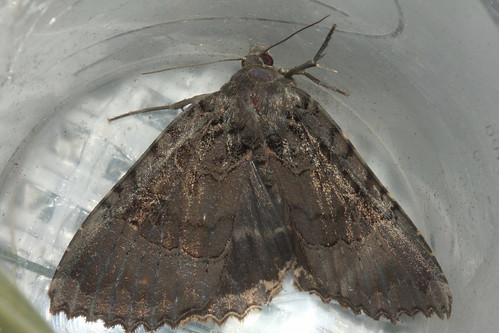
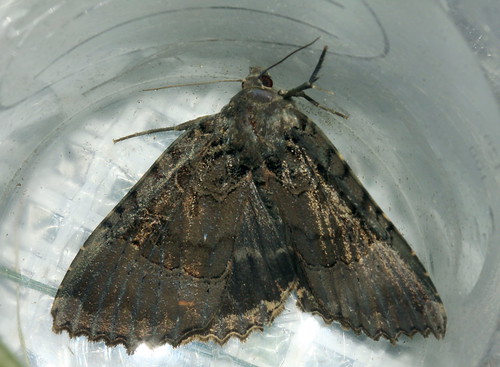
Lepidoptera Meadow
The strength of Cromwell Bottom for Lepidoptera is greatly enhanced by the lack of artificial lighting which helps Moths breed to natural Cycles, the diversity of Moths is also promoted by ovewintering Moths in stems root bases and other vegetation at the end of season. Due regard therefore should be given to grassland management not an add on dependent on what free resource is available at the end of season . Cut variation should be exhibitted throughout the area to be managed
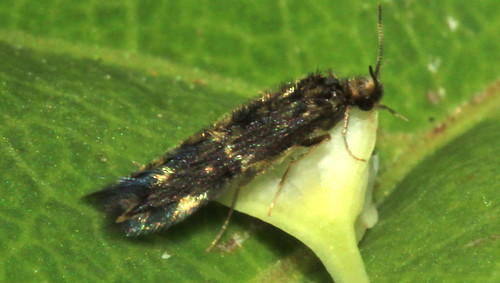
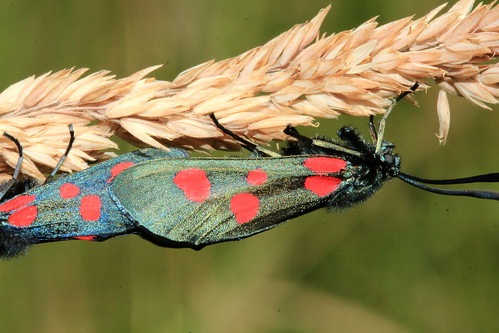
July - August 2015 seen survey of the Tag meadows and it seems what should and has been our most prominent species are down in number , it has been a notably reduced Burnet Year at Cromwell, There where bumper numbers found at other sites Railway Terrace , Bradford and notably a large breeding site near Bulmer an Lumbs Bradford as well as other locations in Calderdale.
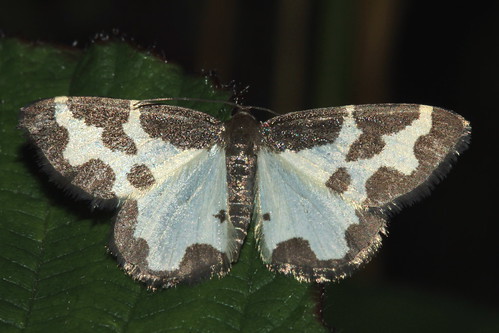
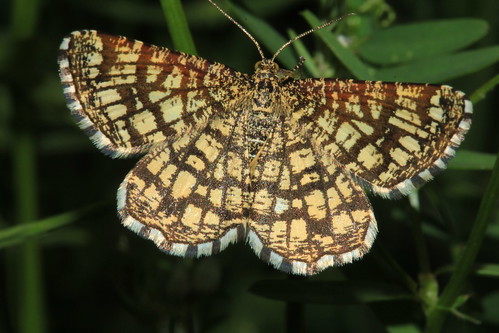
No sightings of Latticed Heath where made this year. As always the upper Meadow at the Brick Works help feed and disperse key grassland species such as Meadow Brown and the Small Heath Butterfly is also present on the Tag Grasslands. As anticipated in line with National Trends the Wall Brown has not been noted . The presence of abundant Nettle means that Small Tortoise and Peacock are generally common throughout . In the Spring months presence of Brassicacea throughout ensure the Early Spring Orange Tips and Green Veined whites are seen
Tag Areas
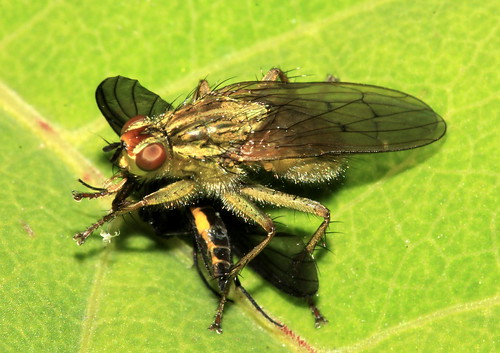
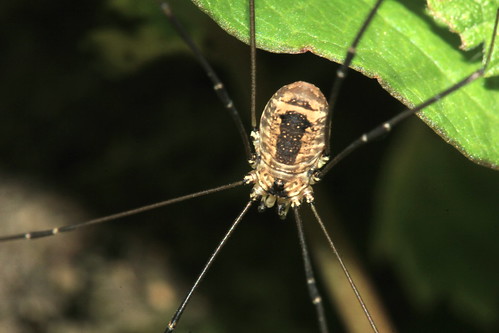
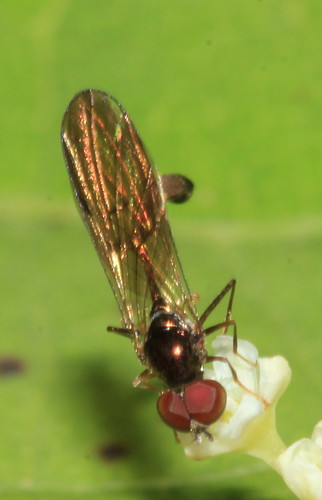
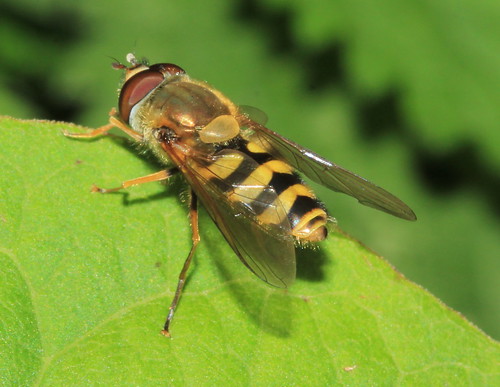
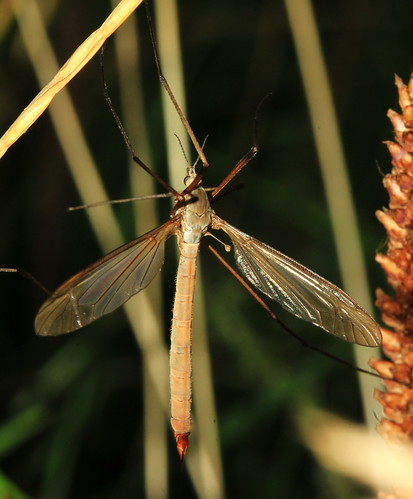
From an invertebrate point of view it is essential that that Invertebrates of dead and Decayng Wood are allowed to subsist as this habitat is a decreasing entity. Such species include Hoverflies , Craneflies and Harvestmen as well a varied range of Dipteran Families . The Coleoptera of CB is an ongoing study mirroring much of the hard work given by Mike Denton in the 70's and 80's when the site retained much of its state as would be expected of a River Valley pasture and natural woodland
Woodlands & Carrs
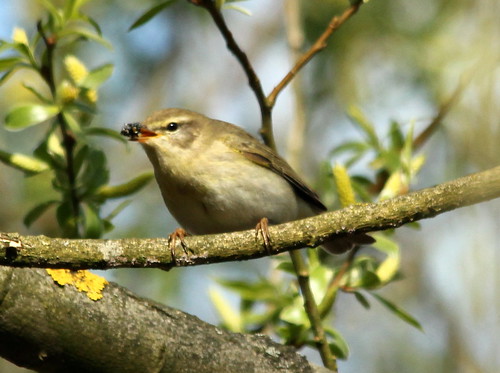
The Woodland biomass on the reserve and their spatial corridors play a vital role in ensuring the movement of wildlife through and around this site. Willow Carrs & their Pollen provide absolutely essential early spring entomology to feed the returning migrants such as Chiff Chaff and Willow Warbler as well as sagfe habitat for Newts Frogs and Toads.
Lagoons Streams & Ponds
Lagoons are yielding consistent number of Wainsots (Reed Moths) although consitent and frequent counts are always welcome
The new Pond will be monitorred with interest but it must be on no account allowed to be turned into a cash cow to keep council officers in a job , for a service that is already paid for by the citizens of Calderdale .and the use of the reserve should be free to all children of whatever means in engaging with environmental education
The new pond which has been lined will be monitored with interest but increasing the range of species of Dragonfly is more profound than providing a pool alone given the ammount of time dragonfly imagos develop in in sub surfaces which can be unique to each species , however it would be good to be proved wrong
Biodiversity Records
By far FEET - Freshwater Environment Ecology Trust hold a detailed species inventory objectively recorded and validated. As always year on year Cromwell still reveals multiple first Hectad records as well a Notable Species. The reserve holds a number of records that are of National Importance
Entomology
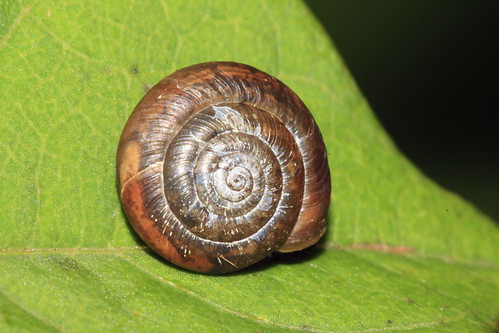
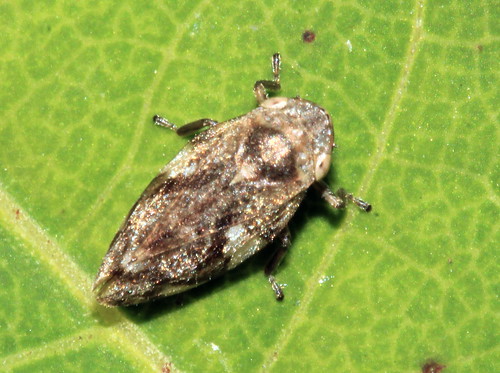
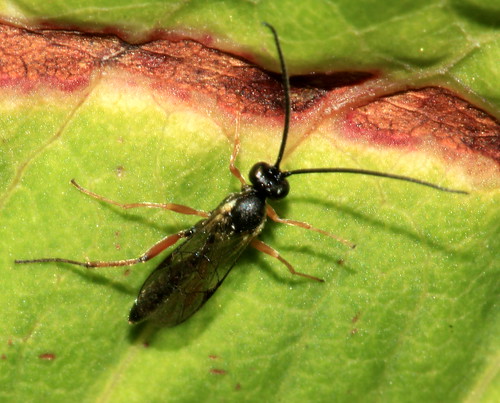
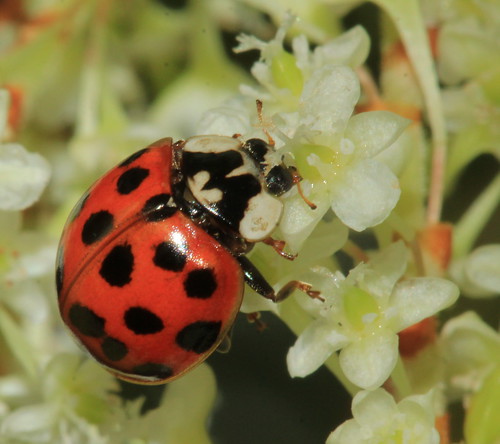
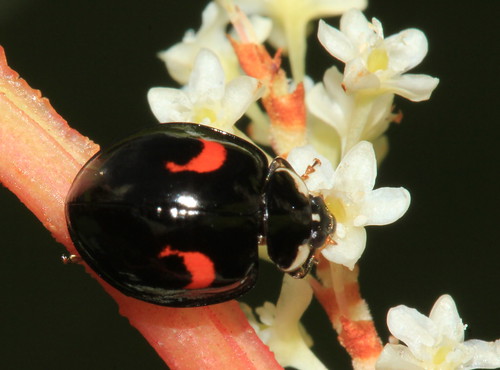
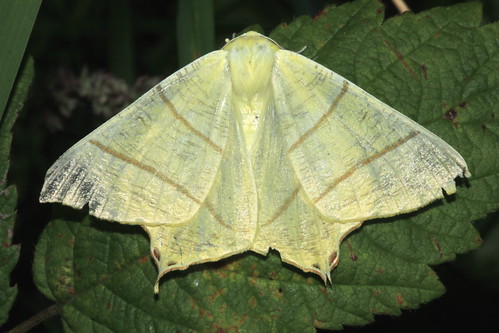
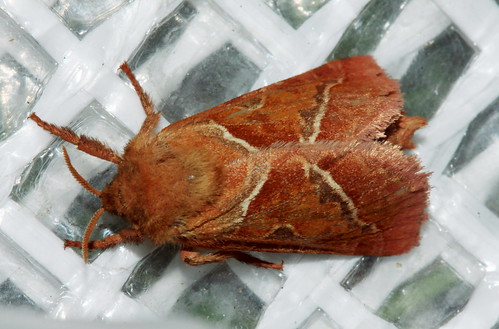
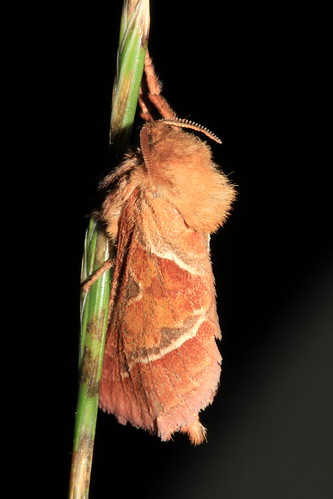
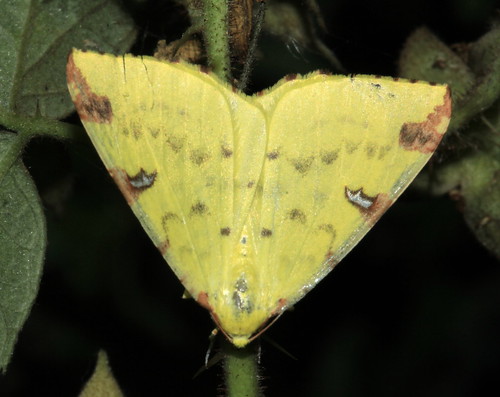
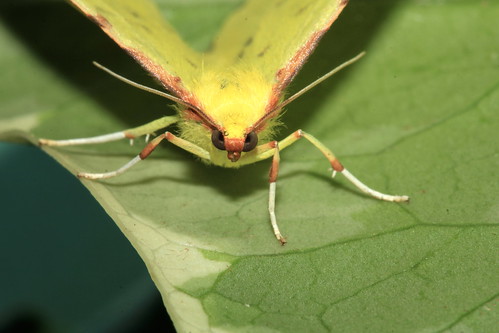
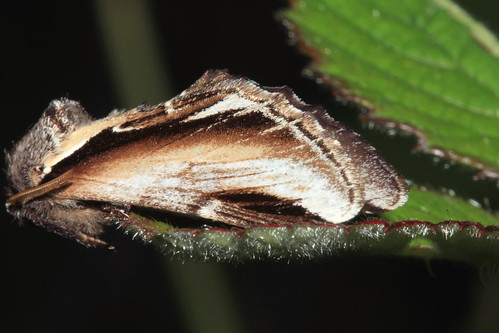
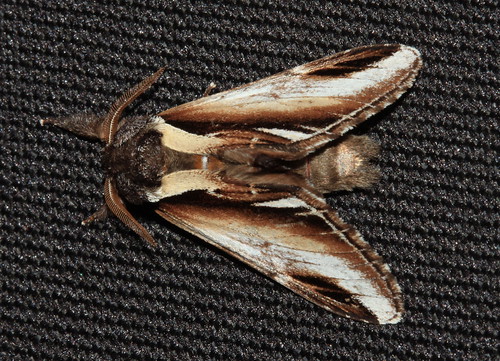
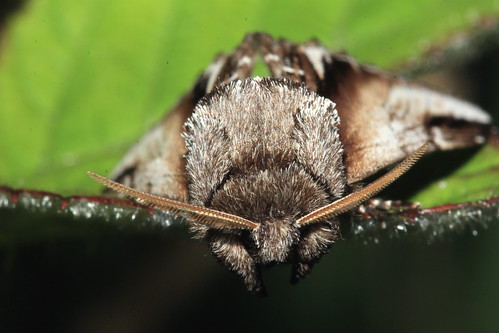
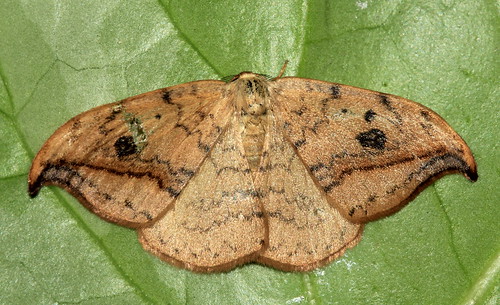
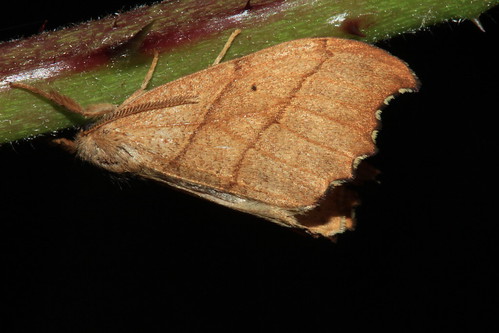
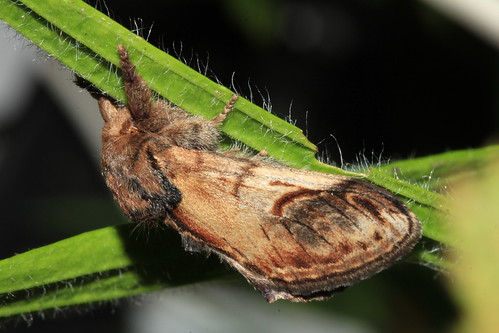
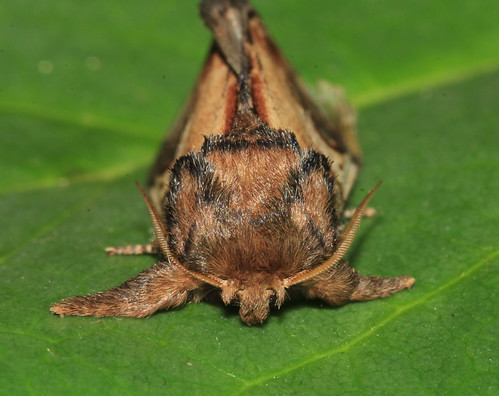
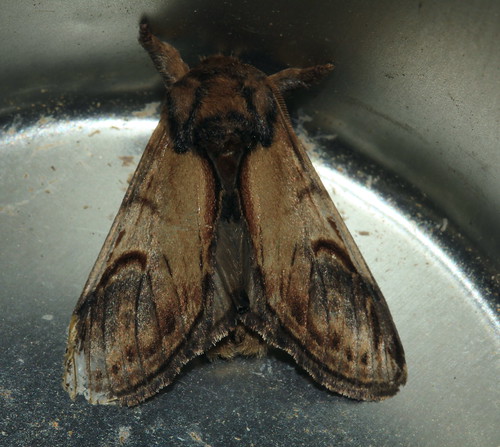
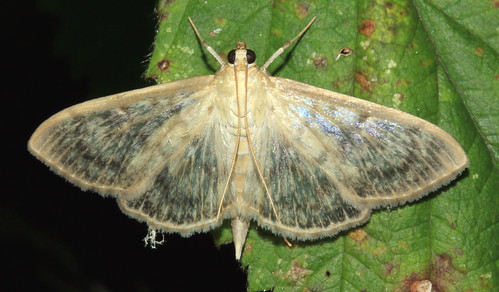
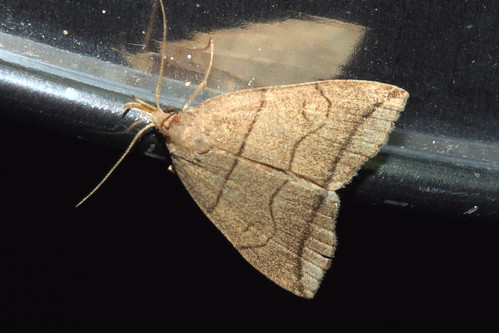
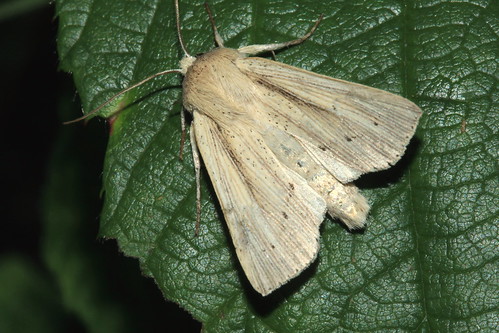
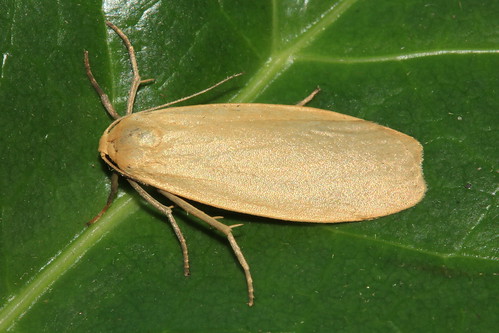
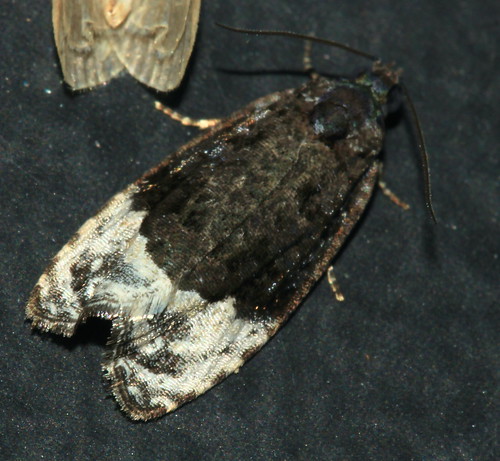
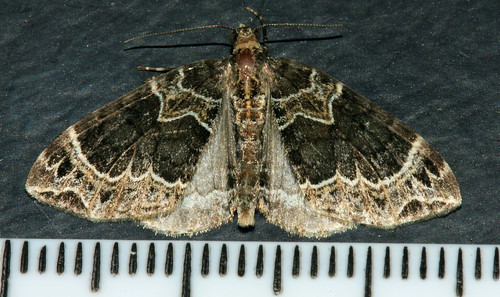
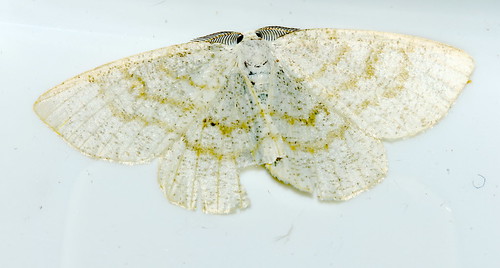
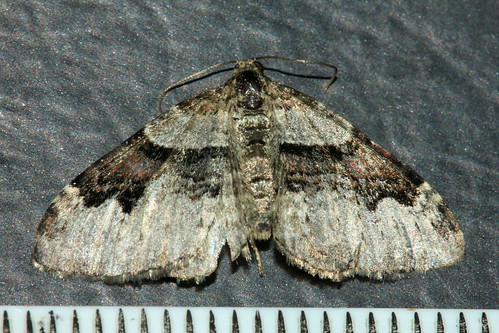
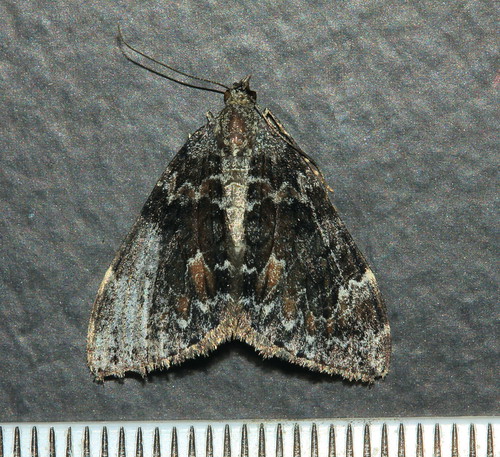
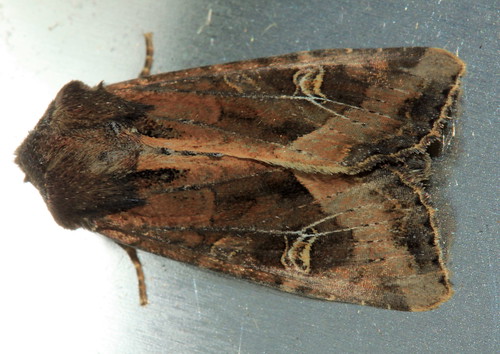
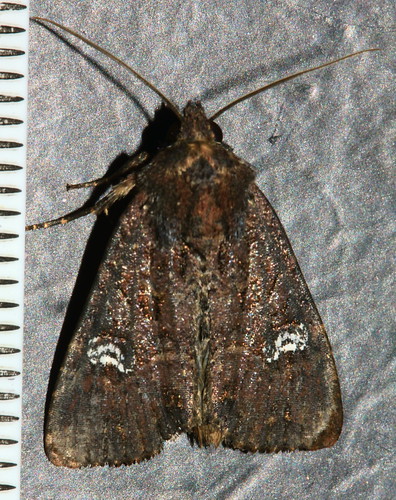
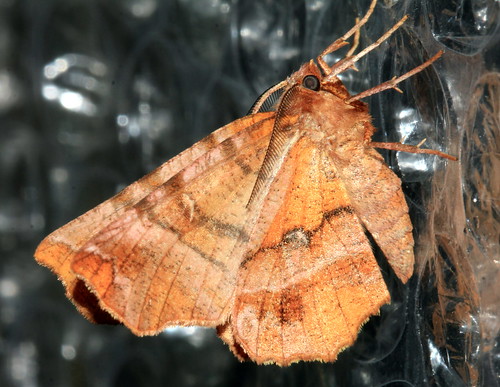
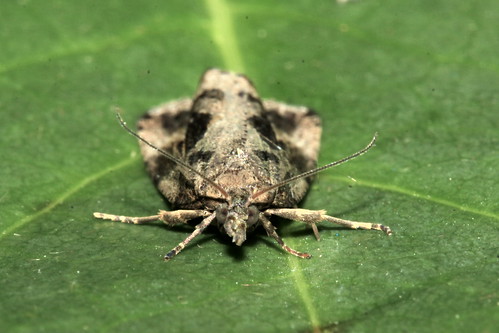
By far CB provides for a very diverse entomology particularly our British Moths Under recorded included include Invertebrates of Woody debris including 3 newly recorded Hoverfly indicators indicative of Decaying Woody Debris in the Tag Stream Area as well as other Diptera . The Mirids throughout Cromwell Bottom exhibit a diverse range consistent with vegetative types as indeed do the British Shieldbugs with 10 or so species found on the reserve ( Blue , Green Birch Hawthorn, Birch, Sedate, Forest Sloe and Spiked Records ) 16 or so British Butterflies are noted on the reserve including the Purple Hairstreak a small Blue Brown species found feeding high on Aphid Due on the Oak corridors along the Railway. Despite the Riverine nature of Cromwell there is an average spread of Hawkers and Darters throughout Damselflies such as the Blue Damsel , Azure and lesser extent large Red present annually in reasonable number but diversity of Dragonfly coould be better
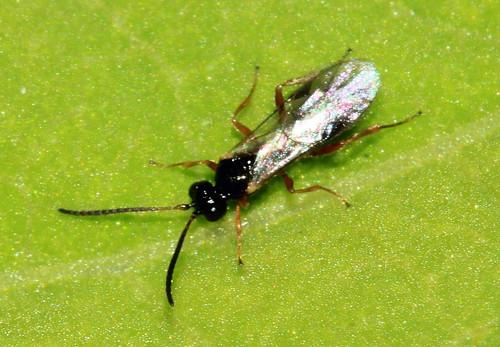
The rocky and sandy banks of the Calder and embankments make CB a n interesting place for Bumblebees and in particulary Solitary Bees and Wasps whose burrows can sometimes be seen underfoot as solitary mounds of fine soil or sand at first thought worthy of a small mouse

Botany
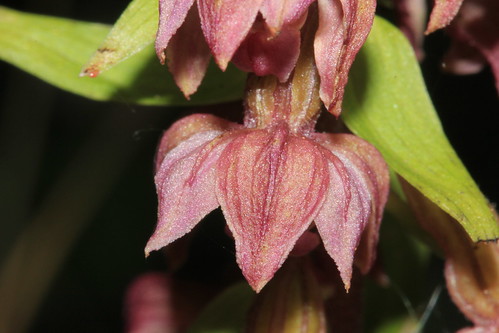
CB supports a diverse range of flowering plants which share a seemless ecology with the invertebartes and the value of pollinators such as Bees and Hoverflies can not be over emphasised but also less obvious Lichens Bryophytes and other small plants . The Spagnum bog still provides a number of lichen species not yet recorded as well as Bryophytes and Spagnums not yet studied in detail . Much of this floral biodiversity was set in place in the original capping of the Tag Loop some years past by Melvin Foxton this includes interesting plants such as the Orchids , Vetchlings , Yellow Rattle and Eyebrights some of which as semi parasitic on the the grade soils used to cap the Tag Loop at that time
Ornithology
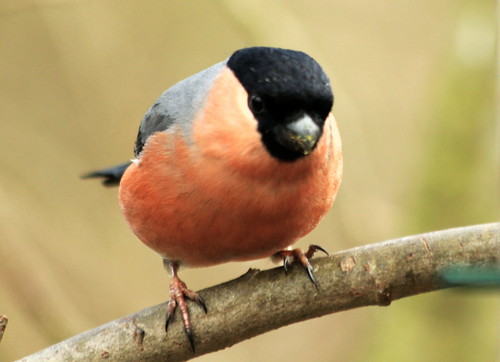
The range of birds on the reserve remain good with a strong colony of Bullfinch which graze the delicate winter buds in spring and the reserve still remains a return point for the Willow Warbler who avails of the early spring flies as food. Reed warbler also seem more prevalent although no counts undertaken but evident by visits to the feeding area . The River Birds such as Dipper and Goosander have sucessfully nested and Kingfisher can be seen on the footprint of the reserve and Canal. The North Loop or areas close to it also attracted for the first time Plovers who likely nested in the proximity. The Heronry appears also to under some threat with development and other issues in proximity
Mammals
Frequency detectors confirm healthy population of bats around the reserve with adequate feeding areas on and around insect rich waters and adjacent meadows used for sheep grazing , Developments in the area may have disturbed some roosting sites. Daubenton and Pipestrelle Bats can be found on the slower moving section of river and canal and reports of Noctule also in the area
Pollution
Earlier this year Calderdale Council where caught with their pants down over two matters of Pollution
The discharge of gas condensate into the waters of Calder coming off the Tag loop and onward to the Gas Burner it did not take long for the Authority to quickly turn up on the morning and remove it before the environment agency arrived on site . It was difficult to believe that Robin Dalton and Hugh Firman where not wise to this derivative coming off the Local Nature Reserve. Increasing the Trust take the view that role of Biodiversity officer within the Local Authority is a farce
Unlawful Discharge to Calder

Flooding
In the context of recent floods it begs the question as to why at CB one devloper has added a very significant volume of water as a Lake in a Flood Wash Plain . The washland area also includes the Lagoons which are there to catch overspill along the Lower Valley . F.E.E..T have engaged the local authority under their duty of care regarding devlopmnent in flood plain areas it is now accepted by the EA that the 50 year flood event is no longer a reliable predicator given the rate of climatic change .
It is also interesting to note that the authority are blindly ignorant of any displacement calculations historically that should take into consideration large mass movement in Landfill or Run Off and of course relevant planning control in building below the relevant O.D ( Ordnance Datum ) delineating flood or washland
The nature of CB as a Landfill site has come into view again with CBMDC issuing planning permissions whilst the site remains under licence as a Landfill site .
The recent post on Flooding and with particular reference to bridging begs concern
The crux of issues discussed very much relate to a position of group think led through an ill informed directorate trying to derive monies from developments which are in reality increasingly questionable it is only likely the penny will drop when an act of endangerment comes to the fore and let us hope not,. This group think also fulminates when politicians become involved I refer to Clr Jenny Lynnes (Cabinet Member) visit over the summer her sole contribution to inform us that the consultation was not flawed . It was interesting to note she neither followed the invite to meet with the Trust , responeded to her email and when called subsequently was rather too busy doing her tax return - Yes Her Tax Return !!!! The same might be said of Clr Benton whose response was I dont have to justify my environmental reputation to you .
The Calder
Issues effecting the Calder include the notional construct of Energy derivative from the weir . FEET have left comment on the scoping process by way of objection and assert strongly that Hugh Firm,an is not in aposition to assert that there will be a net gain in Biodiversity on this water stretch which by its virtue relies upon a fast flowing section of water to provide a different ecology along this length of the river. FEET have undertaken very detailed survey of the Weir Area and would expect Calderdale to evident any planning matter in regard to suggested energy structures on the weir. Salmonids such as Grayling and Trout are in good health and the River sports a very diverse selection of Caddisflies about of which 30% can be identified reliably by their adult form but in the main are identifiable from their tubes contructions of sand and stone whilst in a larval state in the waters of the Calder. Another hectad record for a micro Caddis has been recorded this year
Calderdale Council The Dirty Man of The River
Calder - 'swift stream' Celtic.
A Word Of Caution
Recent events on consultaion of CB have left a bad taste in the mouths of many who would otherwise give their services free for the benefit of wildlife and conservation . Increasingly it is very apparent that Calderdale at a number of levels are abusing the good will of volunteers simply to do work that would otherwise have to be done by the Authority by virtue of duty and not necessarily as a priority to Wildlife or the environment Anyone thinking of volunteering should look carefully at the motives of Council or any Groups associated with it and if in doubt give it freely to an organisation with a proven track record and no vested interest
F.E.ET. are committed to the well being of CB as one of their first tier operational sites and value the input that committed members make to it . Special thanks or mention go to the following members GJ , GW , DF and VG this year who have shown a selfless commitment to the well being of this place with no voice . GJ and GW have had a productive year making finds and discovering the reserve in the way it should by making quiet observation of the natural history it supports.
Special thanks also go to those who signed the petition indicating the consultation process was flawed and expressing a view that the reserve should be maintained for the quite enjoyment of local people and conservation of wildlife - not a bus load of tourists from afar larging it at a summer festival and being promised a free ice cream !!
The Future
The recent events imprinting on the Washland Area which in the main is a significant component of CB LNR underpins the total ignorance of some council officers notably the Director of Environment & Community as to the primary function of the Washland Area as (i) a Local Nature Reserve (ii) as an area to protect Brighouse from Flood events. It significantly begs the question how the Local Authority can allow a questionable planning application construct a significant volume of water on a flood plain in conjuction with lack of displacement calculation on the large masses of imported earth on the Landfill loops of the Calder moving water closer to Brighouse in the likely weather scenarios associated with Cyclone Frank .
This week also has seen the EA environment Agency reniege on the predictability of the 50 year flood event as a predictor of flood zones and other areas where there will now be a higher order duty of care placed on Local Authorities regarding the building in or on flood zones. It has been some substantial years since any decent predictor model has been made to the impact on Towns like Brighouse downstream of Elland ( Atkins Calculation and to which the current Officer in post has never heard of !!)
The reserve foot print whilst new visitors may seen a large area is in fact quite a fragile and small area CB is composed of three compartments Brookfoot , Tag and North Loop with aproximately 10 -12 distinct ecological habitats ranging from Willow Carr , Woodland , Meadow , Lagoon Wet Woodland to Pond Canal and Stream . When considerred as Habitat type the reserve footprint is in fact small and vulnerable to over use and the over promotion of cycling along River Pathways is detrimental to amphibian breeding areas when other routes are available in close proximity
North Loop
There should now be no obstruction in relation to the North Loop being incorporated into the existing LNR adjacent . Prior to its Capping North Loop shared a fairly high level of Biodiversity however since capping was left to the 11 th hour the many years intervening between the capping of North Loop and Tag Loop have actually impacted on what precisely the local authority should be achieving in terms of the creation of Biodiversity and protection of BAP Biodiversity Action Plan Species.as seen by the recent Plover activity Under the NERC Act there is a higher order of regard to be given to these considerations to which the authority appear to be ignoring in favour of development. It should be interesting to review remediation documents set aside to indicate the necessary spending for the authority to restore the site to its natural state in so far as possible and determine whether such funding has been in any way alterred
Bridging
FEET recently requested Calderdale MBC to provide details of Bridge Inspection Certificates through highways such information was not forthcoming which is highly concerning given the state of Bridge Collapse during the recent storms in the Lower Valley and wider Calderdale area